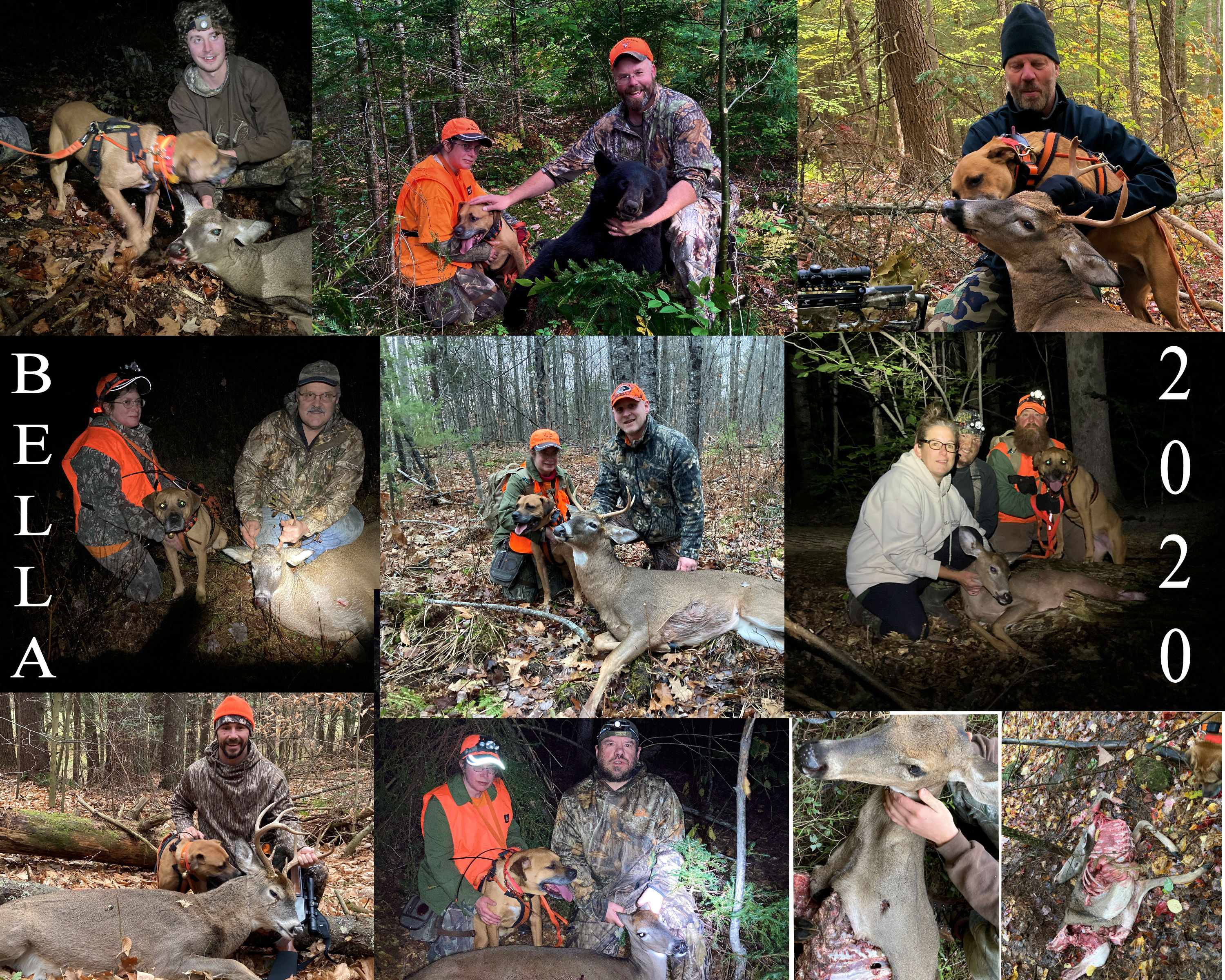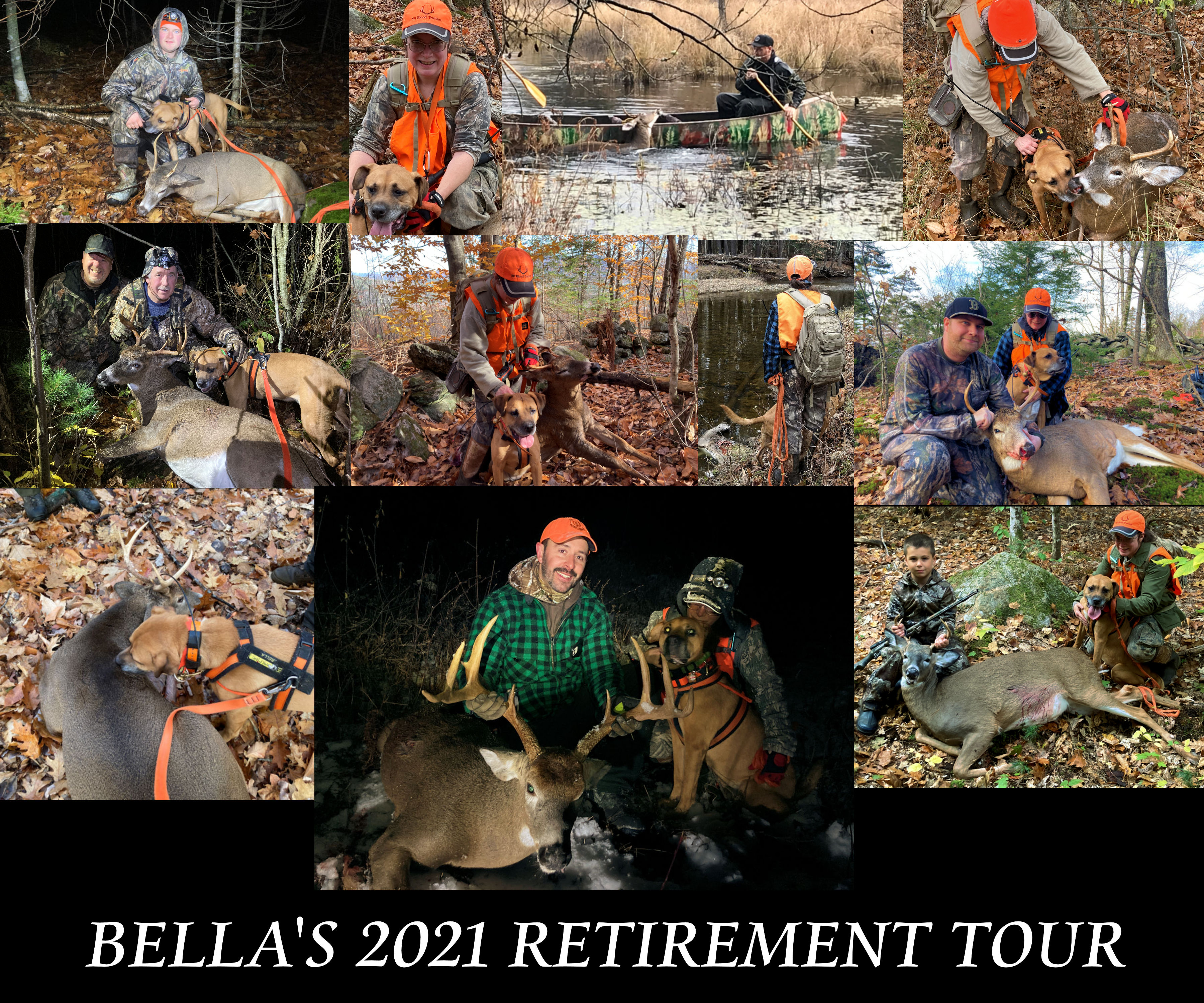

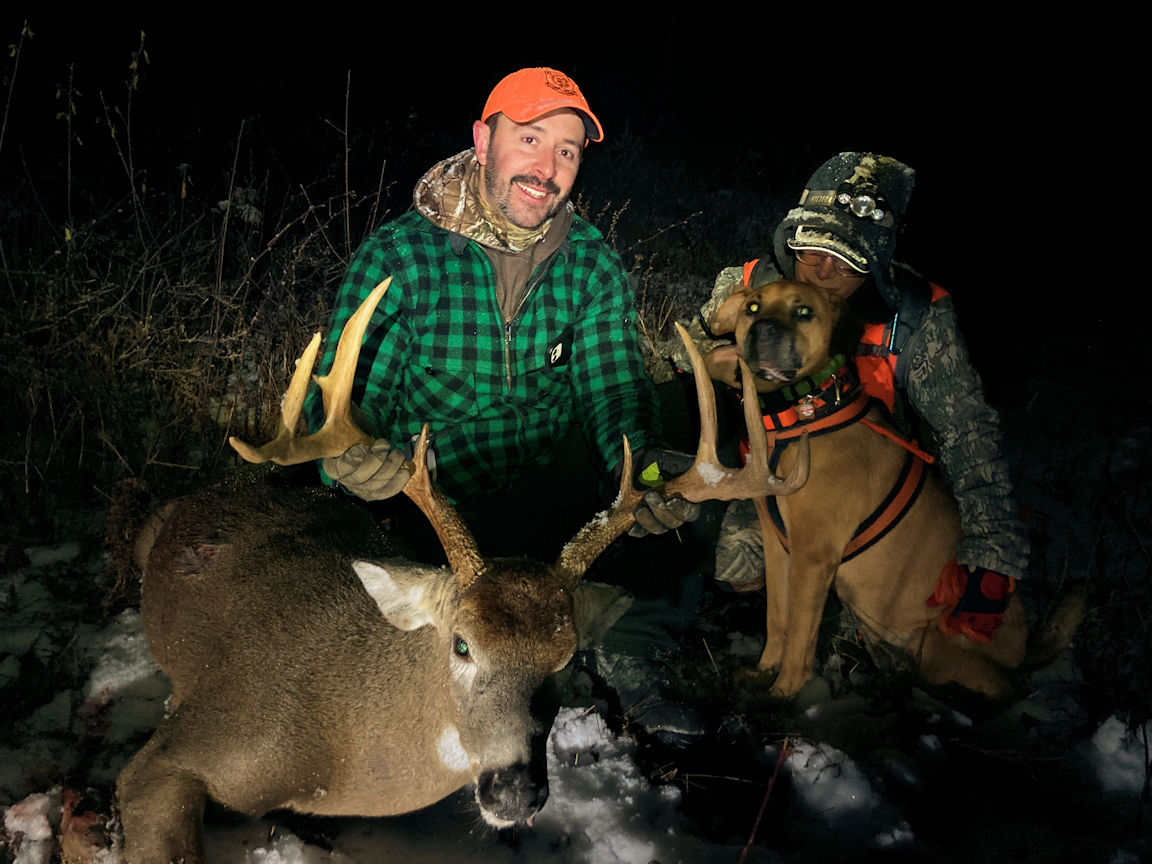
Working Class Canine Wildlife Recovery: Bella Practice Track from Rob Richardson Jr nhshedhunter on Vimeo.
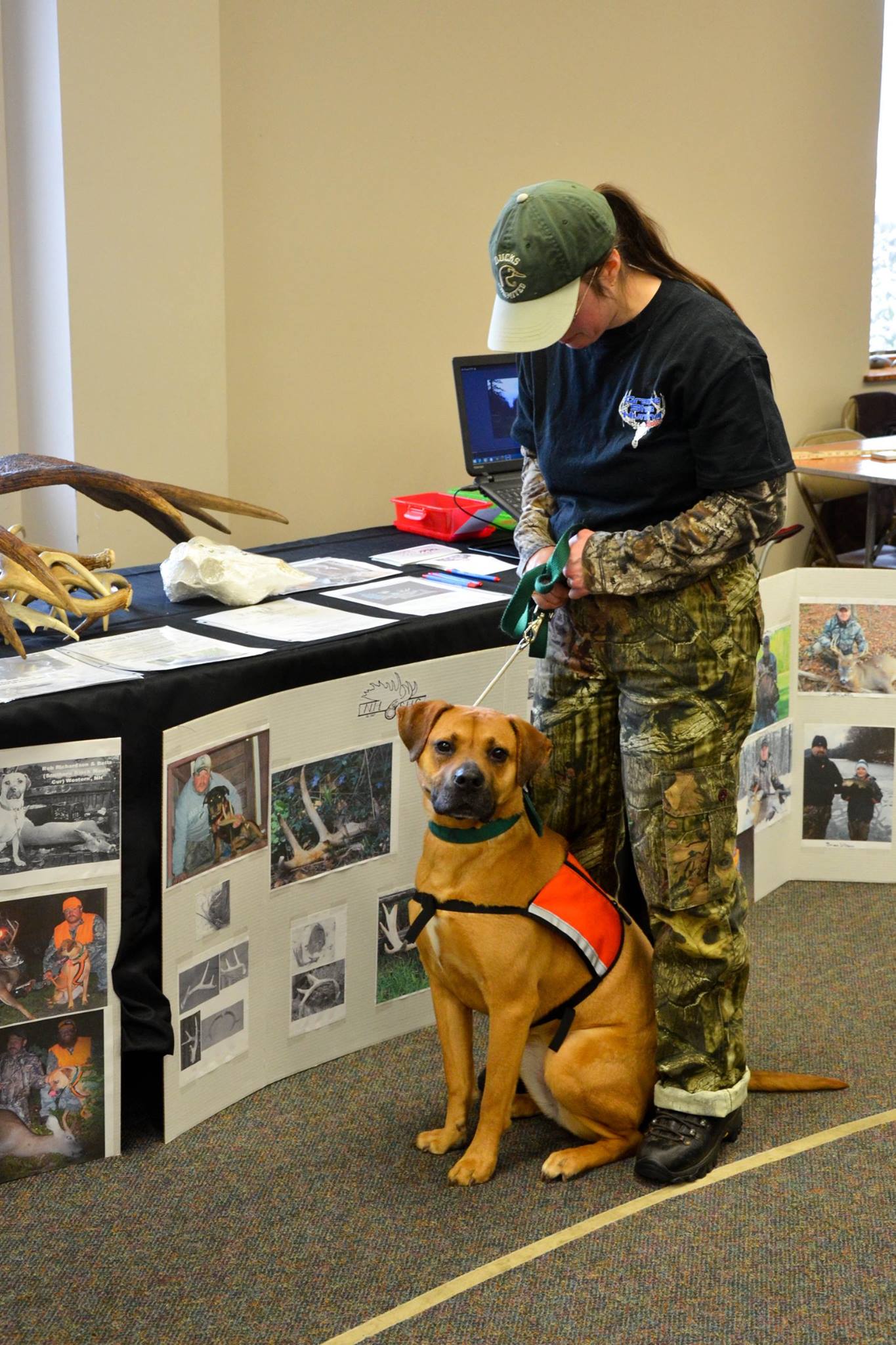
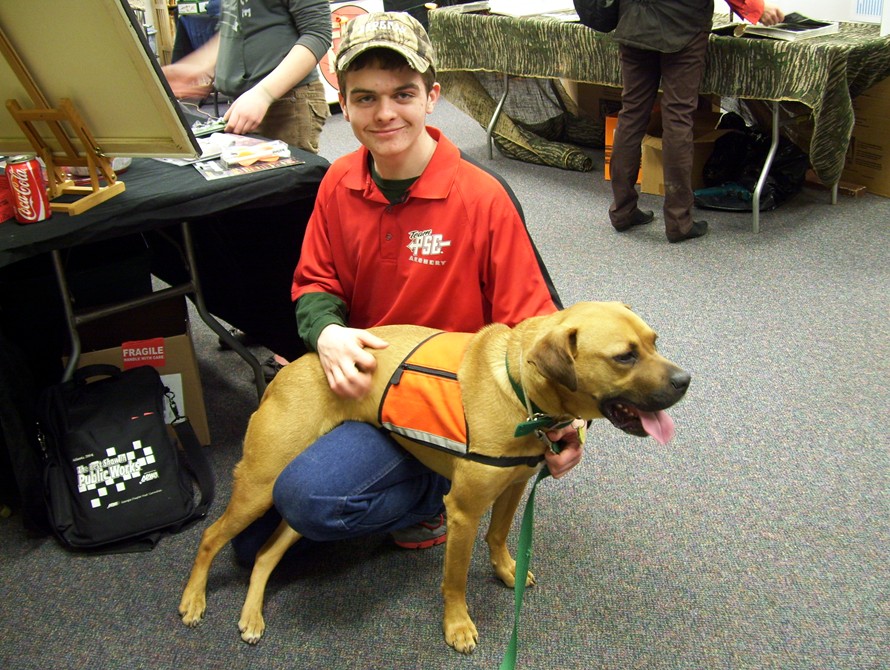
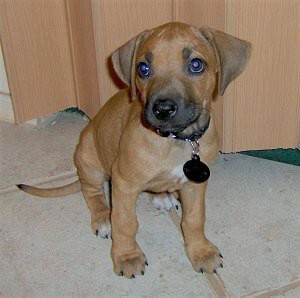
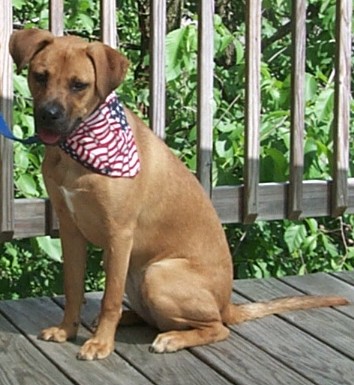
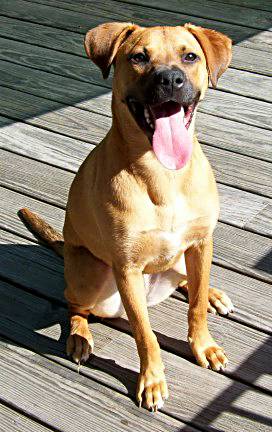
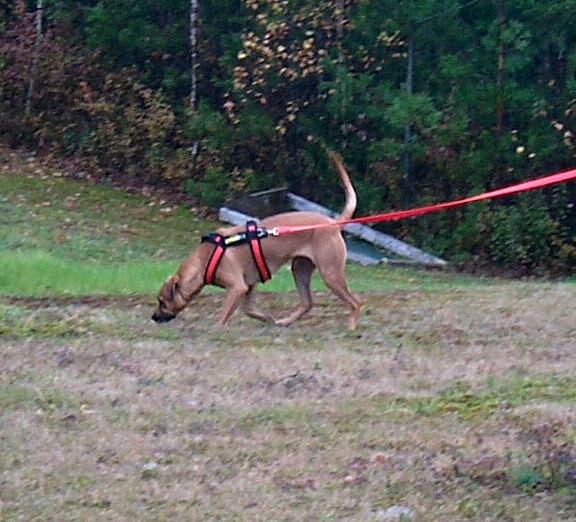
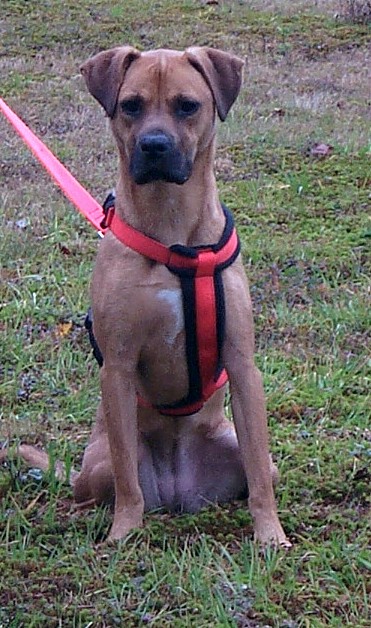
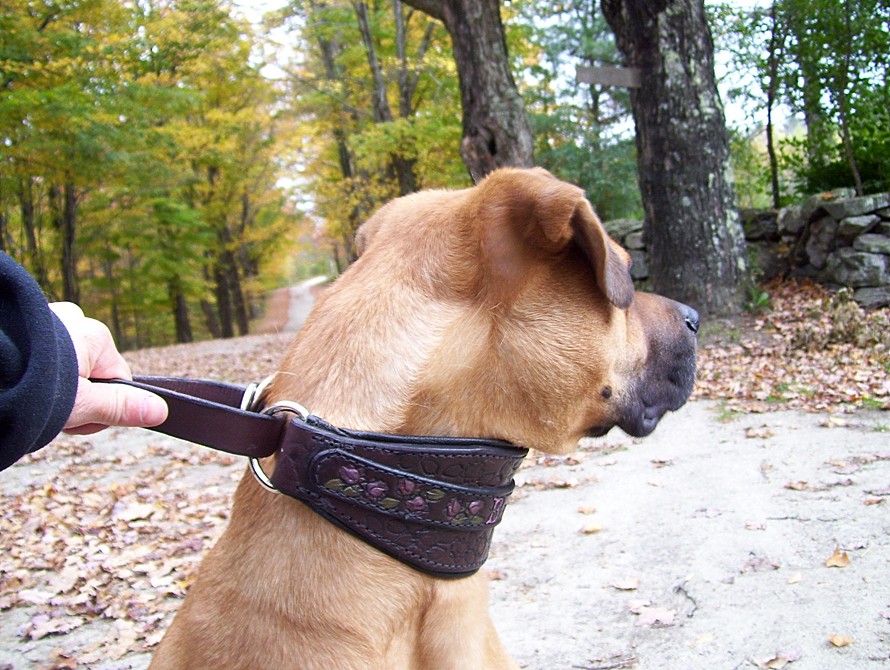
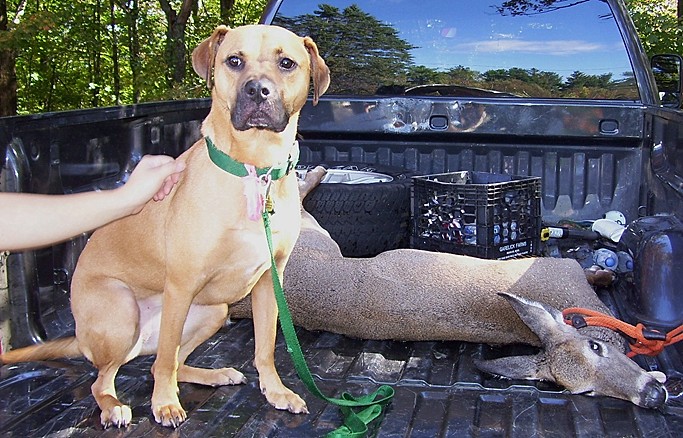
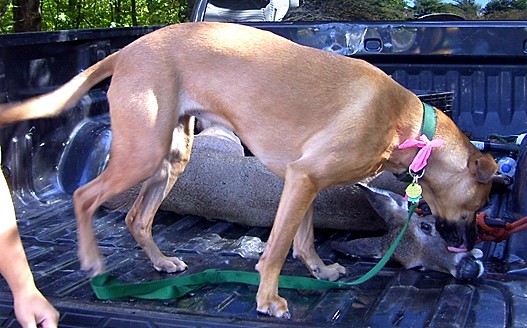
Southern Black
Mouth Cur Information
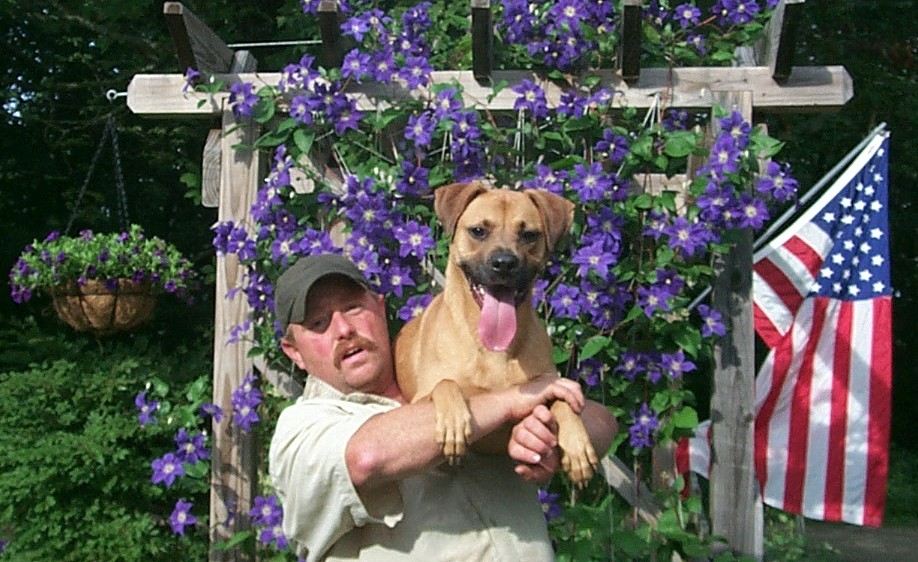
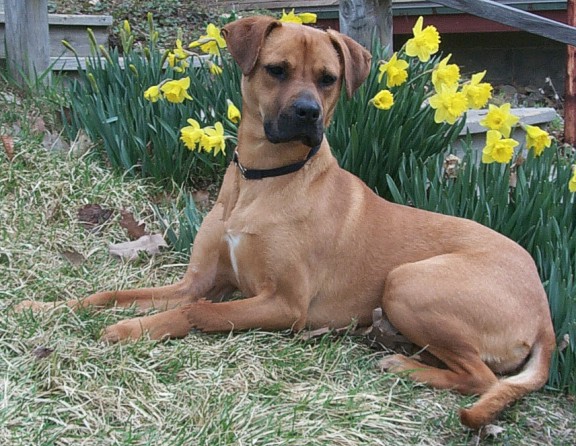
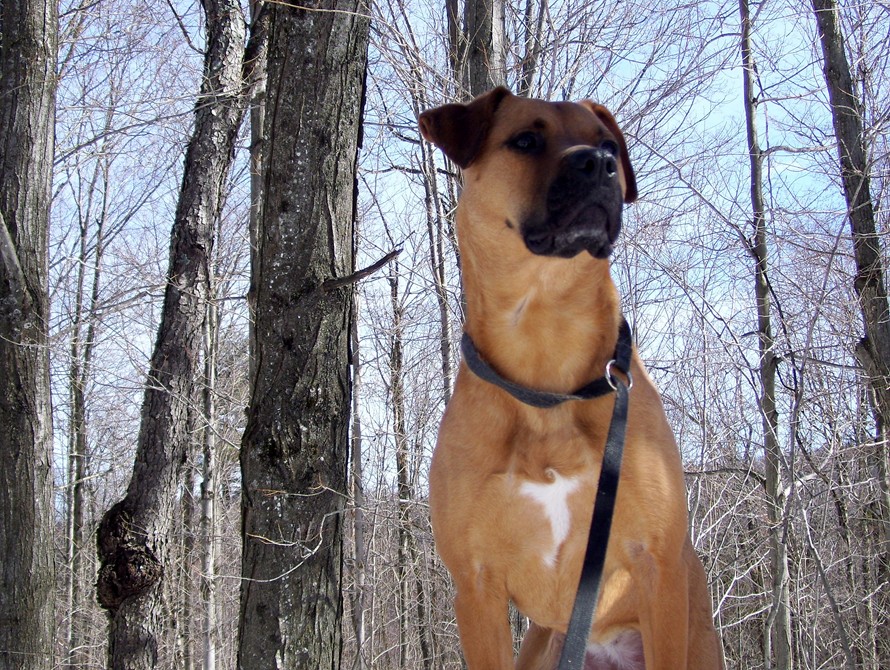
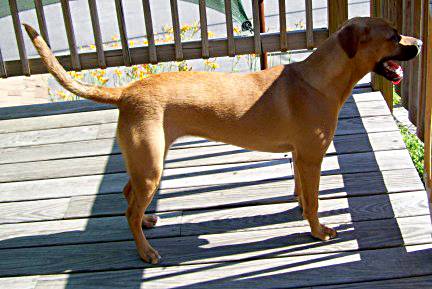
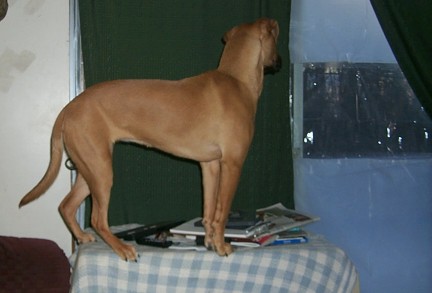
HEAD: Medium length, broad between the ears, more so in the male of the breed. Stop moderately pronounced, occiput visible. Muzzle should be of medium length, snippiness should be avoided.
MOUTH: Should be strong. Fangs should be thick, long and interlock. Flews should not be too pronounced.
NOSE: Well developed with relatively large nostrils, is always black.
EYES: Set apart, round and medium in size. Color of eyes may range anywhere between dark brown and yellow. Darker preferred, with a thin black line on the edge of the upper and lower eyelid giving the dog an appearance of alertness and intelligence.
EARS: Should be of medium size, set high and back, standing slightly outward at base then dropping with a sharp bend to the side with front edge lying closely to the head. The back edge should stand away from the head especially when the dog is at attention, helping to contribute to the dog’s alert, intelligent look.
NECK: Strong, muscular, of fair length and slightly arched. A light amount of loose skin under the throat, but not to the point of being throaty.
BODY: Chest should be deep, wide and well sprung. Back of medium length. Rump should be set slightly higher than withers. Shoulders should be sloping. Front legs should be straight, strong, and set apart. Hindquarters should be well muscled and give the appearance of power and speed. Back legs should be set in a wide stance.
FEET: Should be large and compact, toes well arched, pads thick and tough, toenails thick and strong. Feet should be webbed. Hair on feet should be short and neat in appearance. Back dew claws, although not common, do occur and are acceptable.
TAIL: Of fair length and curved slightly. Should be held above the horizontal when dog is hunting or at attention. Tail should not be docked. Natural bobtail or half tail is not a fault, but should not be bred for as the tail is used for balance.
COAT: Golden-red is the predominant color. Red, reddish-yellow, yellow and light yellow are also fairly common. Red, yellow, buckskin or brown brindle; red or yellow ring neck (white tipped feet and tail with a white ring around the neck) and brownish red are other color variations.
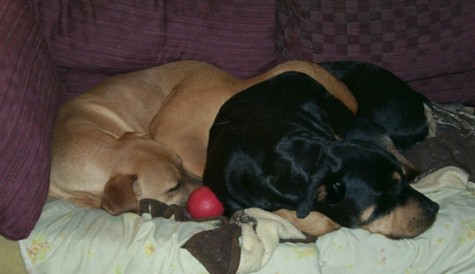
May have white feet, white socks and white blaze. White should not cover more than one third of the dog’s body. Roof of mouth, gums, and flews should be black. May have black muzzle or mask. Brown, black and tan, solid black, and black ring neck are colorations that occur in rare instances in the breed. These colors are acceptable and within the breed standard, however these colors should not be bred for.
SIZE: Females: 19 to 23 inches. Males: 21 to 25 inches (measured at shoulder).
WEIGHT: Females: 50 to 75 pounds. Males: 60 to 85 pounds. Ten pounds lighter or heavier should not be a fault as long as the dog appears balanced.
FAULTS: Too narrow or a clumsy looking head. Hound’s ears, prick, or button ears. Eyes any color than brown or yellow. Weak mouth, undershot or overshot jaw. Too long or too short a neck. Body that does not look in proportion. Bowed front legs. Splayed feet. Flag tail. Long or curly hair. Merle, white or liver colored coat. Pink or brown nose. Pink roof of mouth.
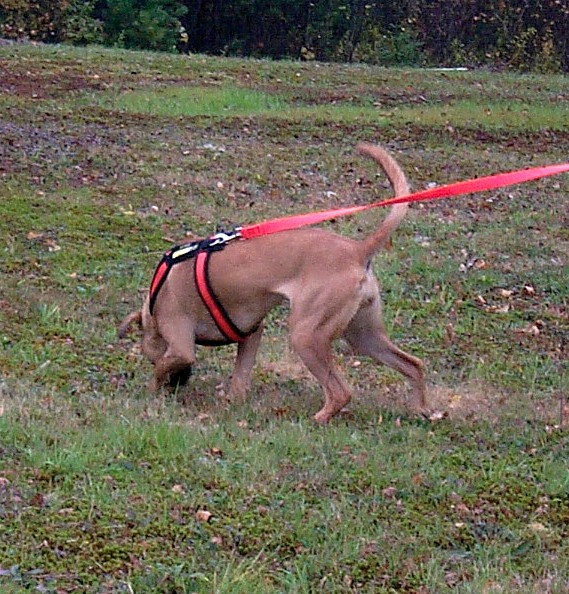
From www.blackmouthcur.com in regards to all types of Black Mouth Curs : "BMCs are by nature very loyal and loving dogs. They have an intense desire to please their owner. They also have a need to burn off energy through daily exercise. The breed has an excellent nose for trailing (finding scent in the air) or tracking. (finding scent on the ground), making them an excellent hunting companion. When hunting, the BMC will also use his superb hearing, outstanding eyesight, and his memory of where he has previously found game. But a word of warning: the BMC has a very strong desire to please its owners, and this sometimes causes them to attempt actions that might endanger themselves, so an owner should be very careful what he asks a BMC to do.
These traits make a BMC an absolute pleasure to own when well-trained, but in the hands of an inexperienced, unconcerned, or uncommitted owner, their intelligence and drive can become very difficult to manage.
Breeding plays an important role in the temperament of BMCs, so selecting a reputable breeder concerned with both physical health and the personality of the puppies is of utmost importance. Different bloodlines exhibit traits differently, so question breeders about the strong and weak traits of their bloodlines.

 |
 |
 |
 |
 |
 |

|
Diane Richardson P.O. 160 Georges Mills, NH 03751 (603) 558-9042 click the howling puppy to email us! |
 Home
Home